Science|Business conference held at UKI
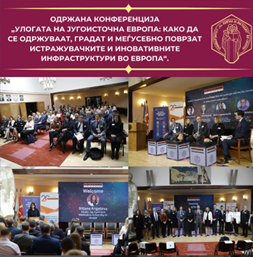
The UKM Science|Business conference with a message: It is time for the opportunities to strengthen the European Research Area to become a reality.
Skopje, October 2024
„Research and innovation are more important than ever.”
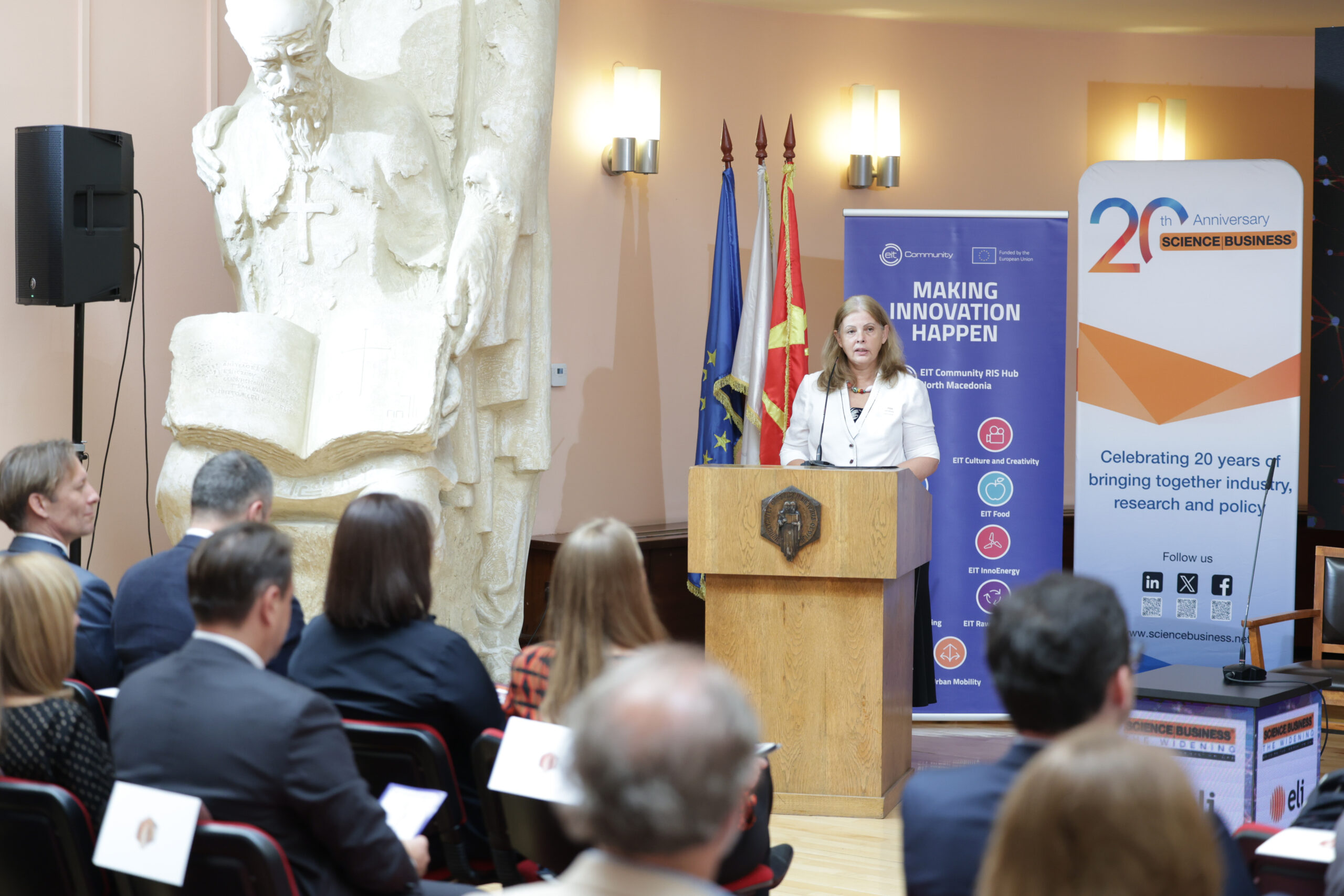
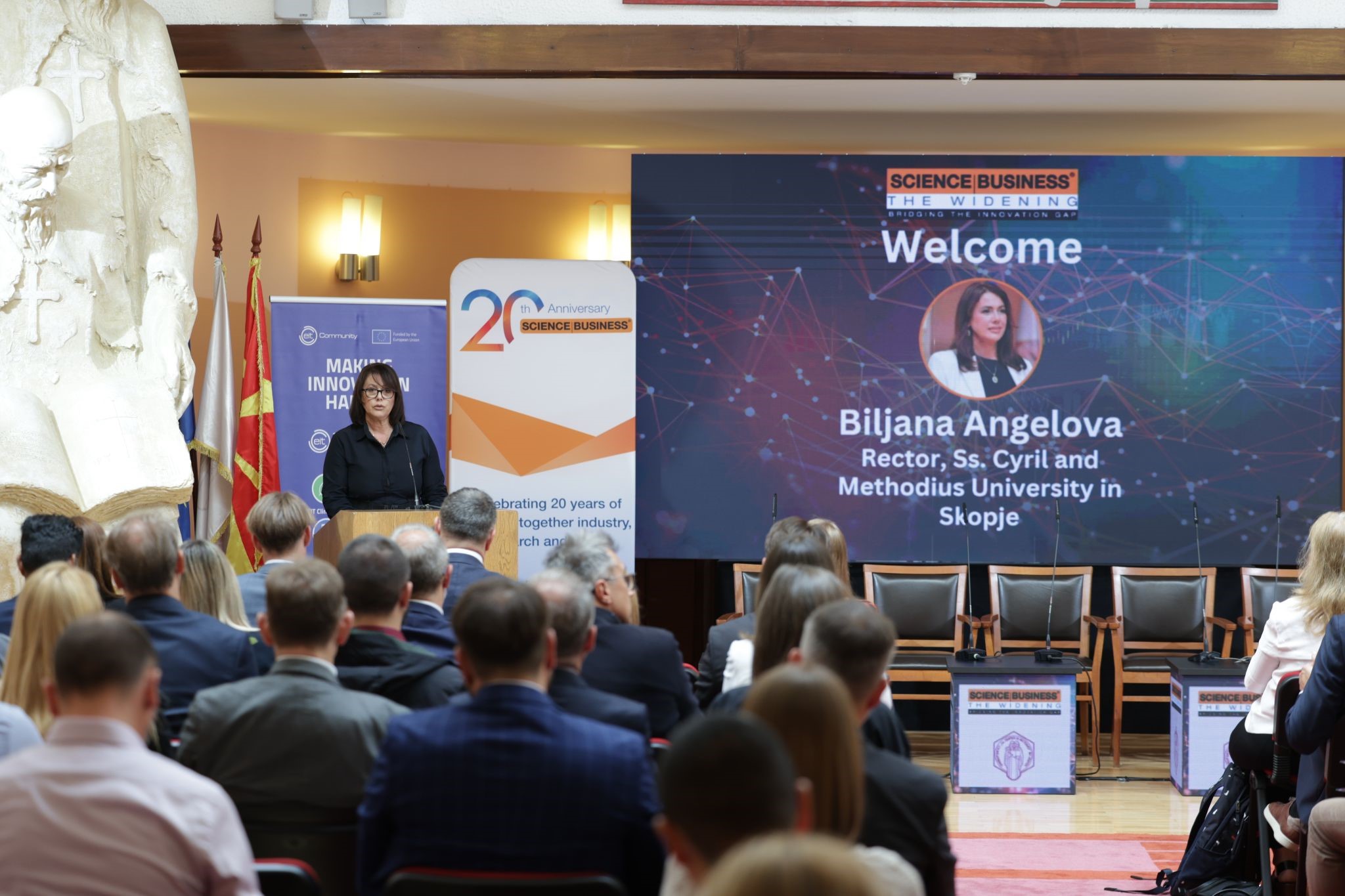
With these words, Professor Dr Biljana Angelova, Rector of the University "St. Cyril and Methodius" in Skopje, opened the conference on enlargement "The Role of South-East Europe."„
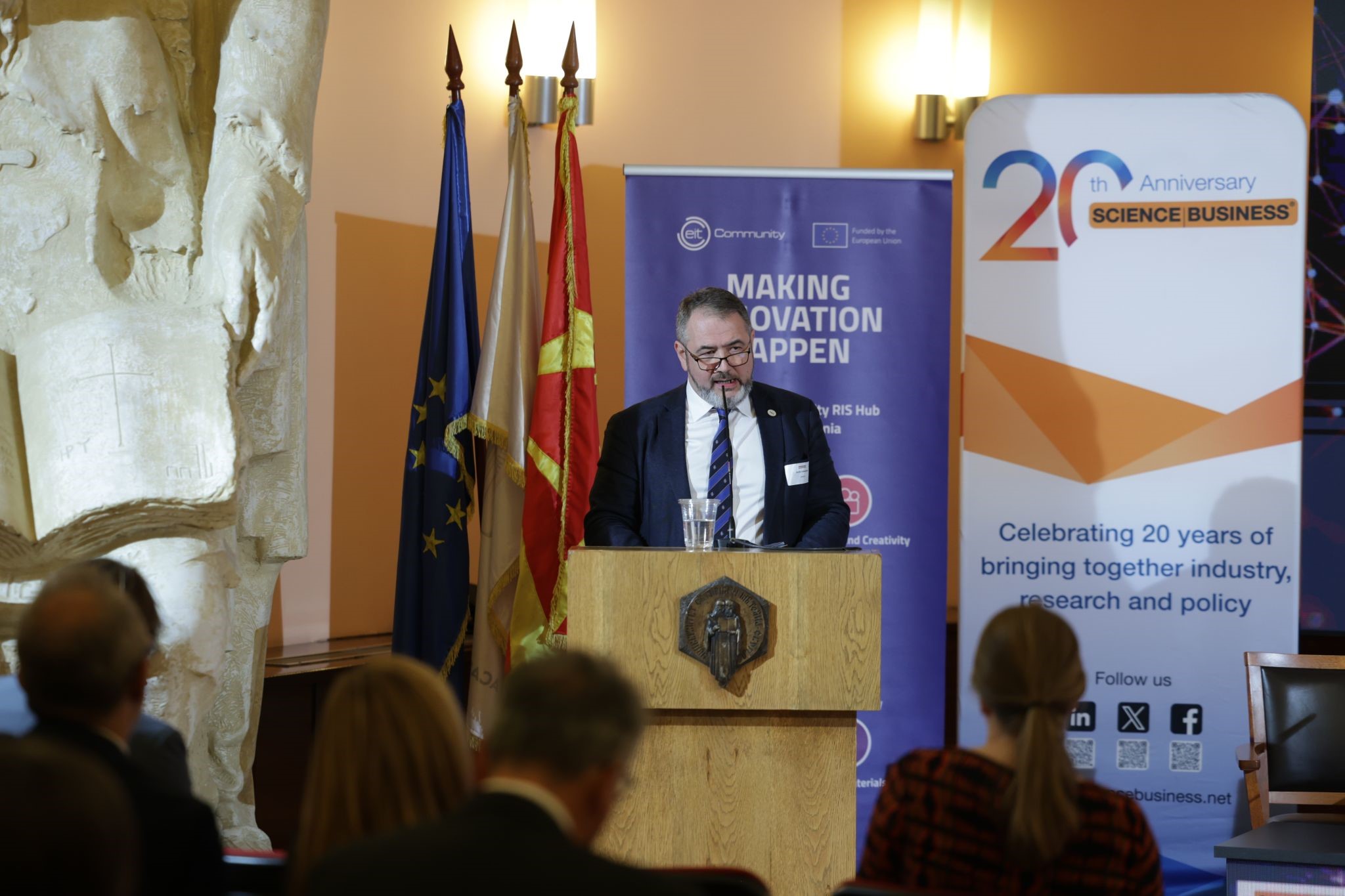
On the sidelines of the ministerial conference, the University 'St. Cyril and Methodius' in Skopje became a member of the prestigious Science|Business network of universities, companies and research organisations, and hosted a conference organised by Science|Business on the topic 'The role of Southeast Europe in maintaining, building and interconnecting research and innovation infrastructures in Europe". The conference was intended for discussions in the field of research, science and innovation, with a focus on opportunities for strengthening the European Research Area and integrating research infrastructure at local and European levels.
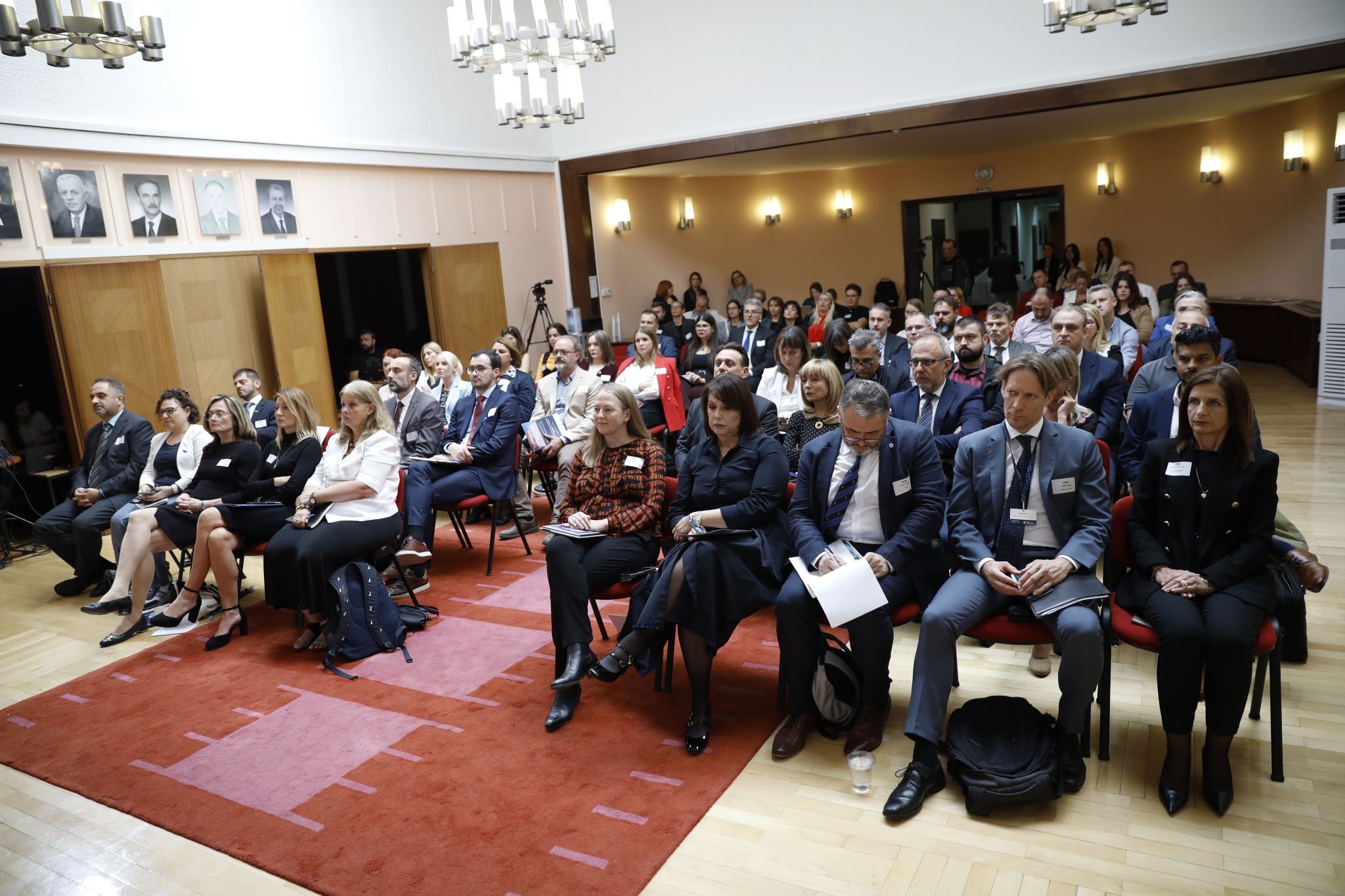
At the conference, researchers, innovators and representatives from academia and the business sector came together to jointly contribute to increasing research and innovation that will strengthen the European Research Area.
The Rector of UKI, Prof. Dr. Biljana Angelova, in his welcome speech, emphasised that today research and innovation are more important than ever, as they are closely intertwined and drive advancements in various fields, contributing to societal progress. "Joint research initiatives, policy alignment, networking and communication, access to funding and support programmes, as well as exchange, can significantly enhance research capabilities and foster innovation," emphasised Rector Angelova.
She told those present that joint work is of vital importance for overcoming the challenges of the green and digital transition with ease, as well as for creating a more resilient environment. "We need to encourage active collaboration between higher education institutions, research centres and the private sector to promote joint applied research and innovation," she said.
Angelova emphasised that UKI's future objectives are aimed at building more strategic partnerships between the local and European research infrastructures, which together can make a positive contribution to the process.
In addition to the organiser Science|Business and the host UGJK, partners of the conference were the EIT Community of the European Institute of Innovation and Technology, The Western Balkans Countries' Platform for Research, Technology and Innovation (WBC-RTI) via Policy Answers and ELI ERIC – the European Laser Technology Research Infrastructure Consortium for pan-European integration of researchers and industry.
The conference was supported by the Directorate-General for Research and Innovation of the European Commission, ERA – the European Research Area, UNICA – the Network of Capital City Universities in Europe, COST – the European Commission's Science and Technology Association, and RCC – the Regional Cooperation Council for the Western Balkans.
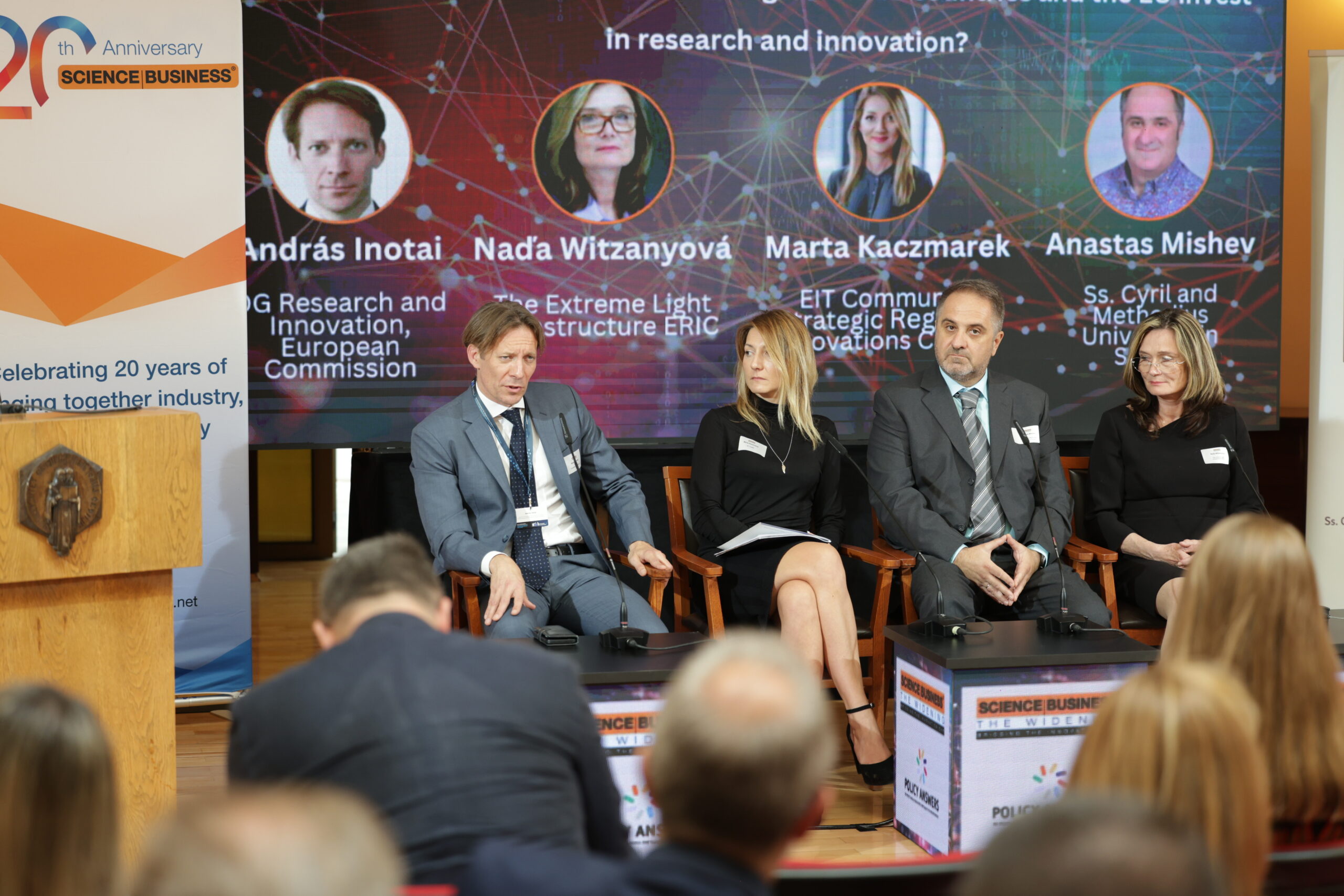
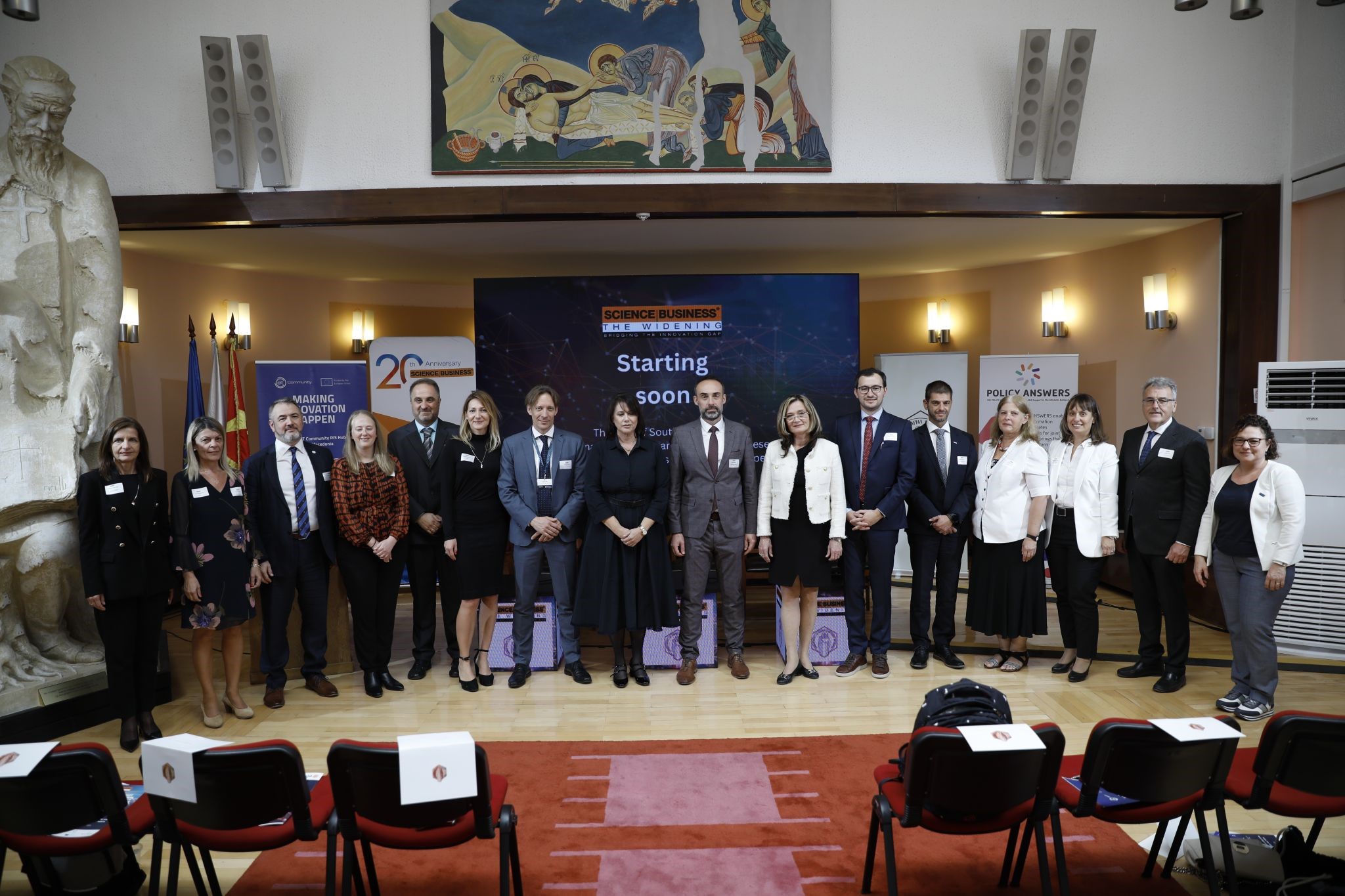
In the opening session of the conference, alongside the Rector, also spoke Elke Dahl, project manager at the Centre for Social Innovation, Edith Herzog, Chair of the Expansion Group within the Science|Business network, Dimitris Kouréas, director of the Centre for Biodiversity, András Inotai from the Directorate-General for Research and Innovation of the European Commission, and Prof. Dr. Sorin Costreie, President of the Network of Capital Cities of Europe Universities.
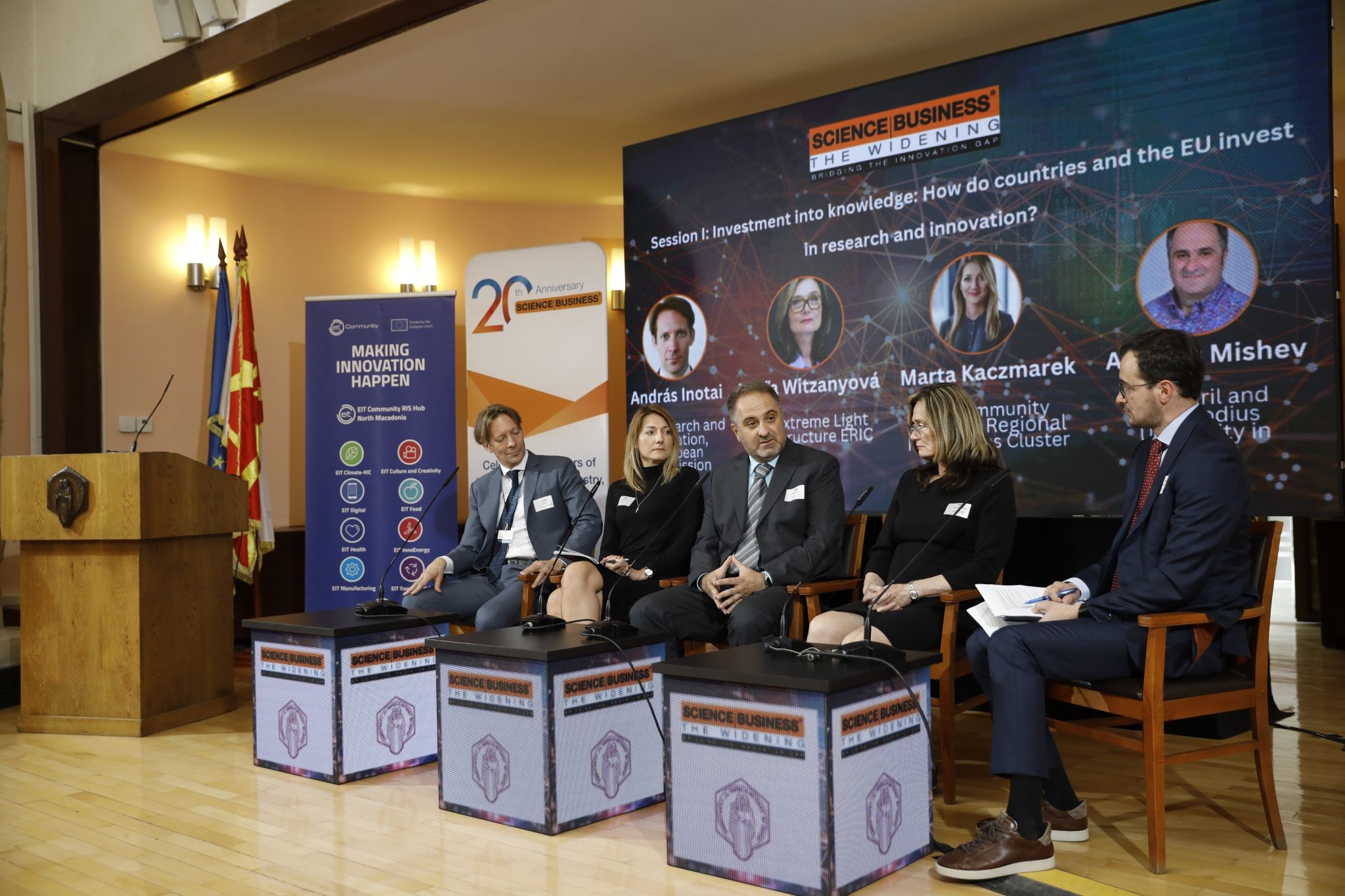
The panel discussions were attended by representatives of UGJK, including Prof. Dr Valentina Gechevska, Vice-Rector for Science, and Prof. Dr Anastas Misheski from the Faculty of Informatics and Computer Engineering, as well as representatives from the European Institute of Technologies, the Council for Regional Cooperation, the COST Association and several regional and European representatives from the business, research and innovation sectors.
„"There are excellent examples of regional cooperation, most of which are visibly supported by the European Commission, but I am sure that there are many research communities that still need to be awakened and join this European research and infrastructure area, to demonstrate their capacities and capabilities. We have talent here, we know that, but we need to find a way to retain it," emphasised Prof. Dr Anastas Mishov.
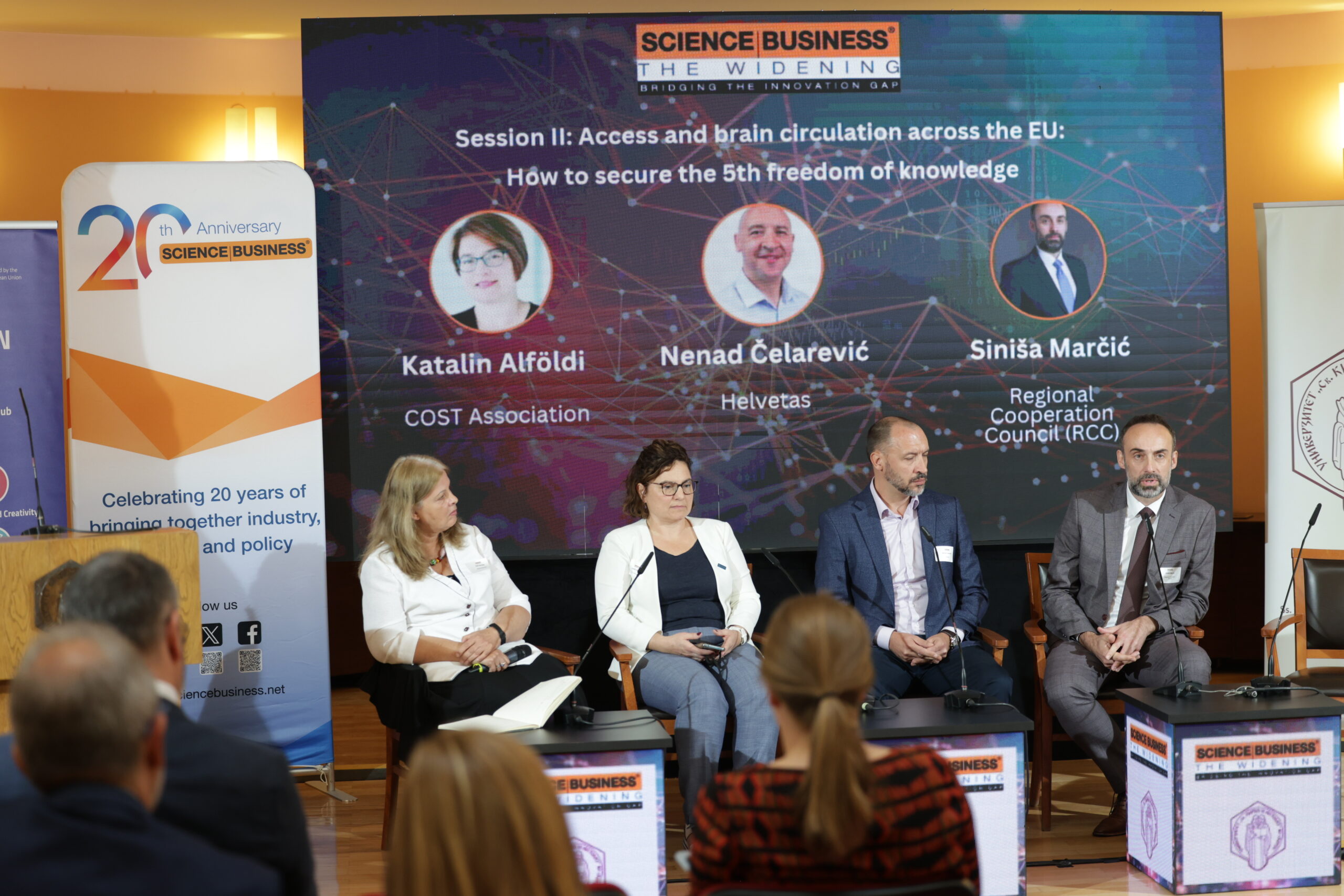
Sinisa Marčić The Regional Cooperation Council added that the key challenge for the region is that while hundreds of millions of euros would be invested in cutting-edge research infrastructure, there will be enough scientists to operate it.
„We are still faced with the challenges we have regarding the region's neglect. Therefore, inclusion efforts are a two-way process. We therefore need to answer many questions for researchers, such as: Why are they not being utilised? Where are the capacities? Who invests in them so that they are not only suitable, but also have sufficient knowledge and resources? What will happen to their job when they apply for a programme? What happens when they leave and will they ever return?" he added. Nenad Čelarović, Helvetas.
Katalin Alföldi The COST Association emphasised that they should focus on what the programme can contribute to the region and how it will enable growth and inclusion for all parties. At the same time, Sorin Costreie from UNICA called for increased action from institutions and the business sector.
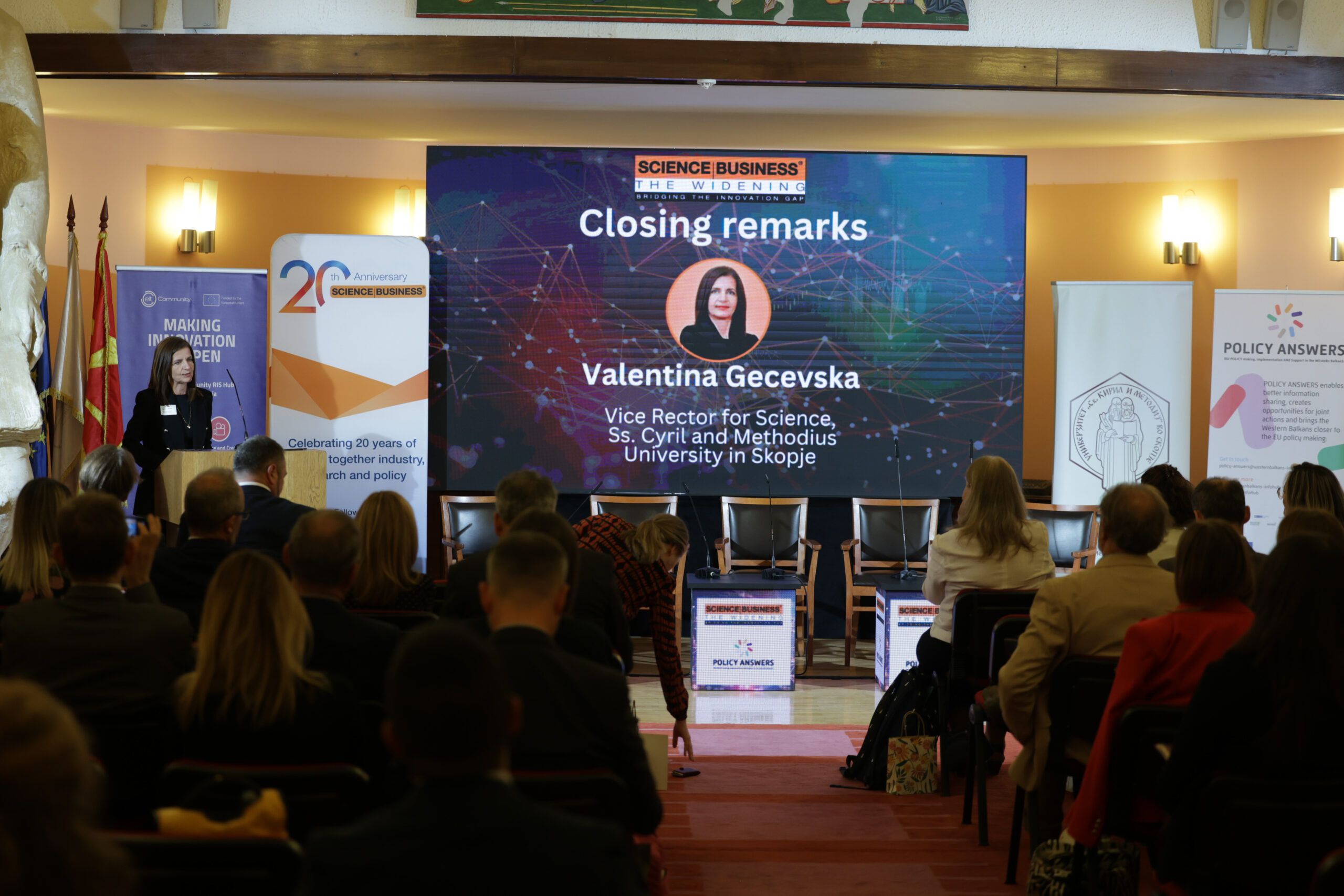
„We cannot talk about Europe or expect to deliver results if the EU's approach is not comprehensive and does not include all European countries, especially those from South-Eastern Europe. Our country's aspiration is to meet the same standards and resources that apply from west to east and from north to south across Europe. Only then can we truly deliver," concluded the professor. Valentina Gechevska.
She stated that the mission of UKIM is to invest in and educate our students to become outstanding professionals, whether at home or abroad, but in the hope that they will return.
„Our aspiration is for them to remain here and participate in the country's development, as part of Europe. That is why it is so important to expand the EU and to begin the pre-accession negotiations, while also resolving political issues. In this way, our students will not immediately consider going abroad, but will realise that they can make valuable contributions to their country, and thereby to Europe. Some will become researchers, others will be innovators or engineers working in companies with deep-tech technologies, and all will contribute to the social development and education of future generations," Prof. Gechevska highlighted in her closing remarks at the event.
The conference participants exchanged views and ideas, which led to a mutual strengthening of cooperation in this field.
You can watch the Conference at the following link:
The role of Southeast Europe in research and innovation infrastructures (youtube.com)
Gallery

 Blvd. "Goce Delchev" no. 9, 1000 Skopje, Republic of North Macedonia
 ukim@ukim.edu.mk
 3293-293